Thermally Modified Wood Species Compared
October 19, 2026
A builder's guide to choosing the right species for the application
Thermal modification is a heat-and-steam process that changes wood's chemical structure at the cellular level. The result is a product that resists moisture, mold, rot, and insects far better than the untreated species it started as. That means woods once limited to indoor use can now hold up outdoors, in siding, decking, and other exposed applications.
But thermally modified wood isn't one product. The species that goes into the kiln still matters. Grain pattern, color, hardness, and machinability all carry over from the raw material, so each of our thermally modified species brings its own strengths to a job. Here's how they compare, and where each one tends to perform best.
| Species | Sourced From | Key Traits | Typical Use |
| Knotty Nordic Spruce | Europe | Prone to graying before treatment; heat treatment adds resistance to aging for a longer lasting, even look | Siding |
| Ayous | West & Central Africa | Lightweight and easy to work with, gains exterior durability from treatment | Siding |
| Ash | Domestic | Strong, tight, straight grain; treatment adds stability and moisture resistance | High traffic surfaces |
| Poplar | Domestic | Easy to cut, shape, and finish; gains durability without losing workability | Custom fabrication |
| Southern Yellow Pine | Domestic | Hardest wood in the pine family; treatment builds on that natural strength | Siding and decking |
| Hemlock | Domestic | Stronger, more cost effective alternative to Cedar | Budget conscious siding |
| Frake | West Africa | Rich brown color, distinctive mineral streaks, and excellent durability and stability | Decking and flooring |
Knotty Nordic Spruce
Sourced from Europe, Knotty Nordic Spruce starts as Nordic Spruce before undergoing thermal modification. Spruce is naturally prone to graying and weathering over time, but the heat treatment makes it notably more resistant to those aging effects, giving it a longer-lasting, more consistent appearance outdoors. It's a strong choice for siding projects where you want a clean, even look that holds up season after season.
Ayous
Ambara begins as Ayous, sourced from West and Central Africa, and Excelsior is one of the premier sellers of Ambarawood in the region. Ayous is prized for being lightweight and easy to work with even before modification, and thermal treatment adds the durability needed for exterior applications like siding, combining workability with weather resistance.
Ash
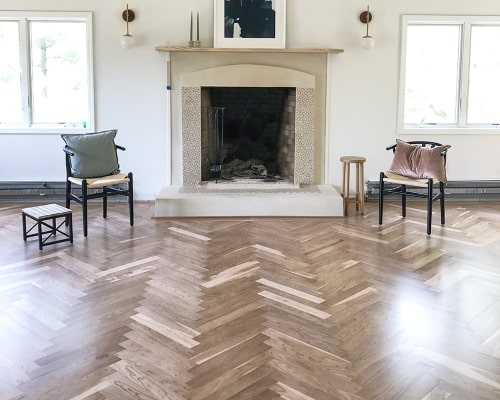
Sourced domestically, thermally modified Ash is a durable wood well suited to high-traffic areas. Ash's natural strength and tight, straight grain make it a dependable choice where a surface needs to hold up to regular wear, and the thermal process adds the stability and moisture resistance to extend that durability into new settings.
Poplar
Thermally modified Poplar keeps the machinability the species is known for while gaining increased durability from the heat treatment. Poplar has always been a favorite for ease of cutting, shaping and finishing. Thermal modification adds resilience without sacrificing that workability, making it a practical option for custom fabrication work.
Southern Yellow Pine
Known for its distinct grain, Southern Yellow Pine is naturally the hardest wood in the pine family, and thermal modification builds on that inherent strength. It's a good fit for projects that call for both a bold, visible grain pattern and a harder-wearing surface than most softwoods offer.
Hemlock
Thermally modified Hemlock, sourced domestically, is a stronger, more cost-effective alternative to traditional Cedar. If you like the look and feel of a classic softwood siding but want better durability at a more accessible price point, Hemlock is worth a look.
Frake
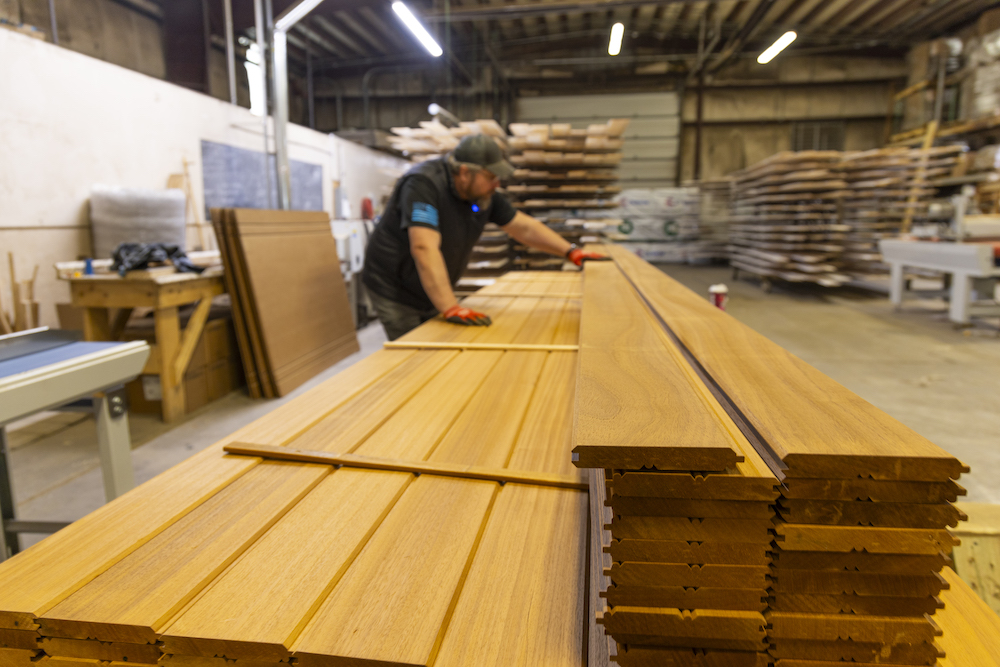
Sourced from West Africa, thermally modified Frake is a durable hardwood with rich brown tones and distinctive mineral streaks. Its natural density and thermal modification provide the strength and stability needed for high-traffic applications, making it an excellent choice for both decking and flooring.
Choosing the Right Species
All of Excelsior's thermally modified species share the same core benefits: improved dimensional stability, resistance to rot and insects and the ability to move from indoor to outdoor use. However, the original species continues to influence the outcome. Ash leans into strength and traditional grain for high-wear or visible applications. Poplar keeps things workable for detailed fabrication. Southern Yellow Pine and Hemlock offer harder-wearing, budget-conscious siding options, while Knotty Nordic Spruce and Ayous bring imported character sourced specifically for exterior performance.
Choosing domestic species like Ash, Poplar, Southern Yellow Pine and Hemlock also means less shipping distance and pricing that isn't as exposed to tariffs or global supply chain swings, an added benefit alongside the environmental one.
Not sure which species fits your project? Get in touch with our team, or browse our full Thermally Modified Wood lineup, including how these species perform in siding and decking applications.