Frequently Asked Questions About Thermally Modified Wood, Cladding and Exterior Wood Products
Architects, builders, developers and manufacturers often have questions about thermally modified wood, exterior cladding systems, species selection and long-term material performance. This resource addresses some of the most common questions we receive about wood products, applications and specification considerations.
Whether you're evaluating materials for a commercial project, residential development or architectural application, understanding how different wood species perform can help support informed decision-making.
Thermally Modified Wood FAQs
Thermally modified wood is natural wood that has undergone a controlled heat-and-steam process designed to improve dimensional stability, reduce moisture absorption and enhance durability. Unlike pressure-treated lumber, thermal modification does not rely on chemical preservatives.
Thermal modification involves exposing wood to elevated temperatures in a controlled environment while carefully managing moisture and oxygen levels. The process alters the wood's cellular structure, improving its performance for exterior applications.
No. Thermal modification uses heat and steam rather than chemical preservatives to enhance the wood's performance
Longevity depends on the species, application, environmental conditions and maintenance practices. When properly specified and installed, thermally modified wood can provide decades of performance in exterior environments.
Thermal modification can support sustainability goals by expanding the use of domestic wood species and reducing reliance on imported hardwoods. Because the process does not require chemical preservatives, it can also support environmentally conscious building practices.
Thermal modification can reduce certain mechanical properties, such as bending strength, compared to unmodified wood. For this reason, thermally modified wood is typically specified for non-structural applications like cladding, siding and decking rather than structural framing.
Thermal modification typically reduces shrinkage and swelling significantly compared to untreated wood of the same species, which helps minimize warping, cupping and twisting once installed.
Because thermal modification does not introduce chemical preservatives, thermally modified wood generally retains the same end-of-life options as natural wood, including reuse, recycling or composting, depending on local regulations and the condition of the material.
Exterior Cladding FAQs
Exterior wood cladding is a non-structural material installed on the outside of a building to provide protection, aesthetic appeal and architectural character. Wood cladding is commonly used in residential, commercial and institutional projects.
The best wood for exterior cladding depends on the project's performance requirements, environmental conditions, maintenance expectations and design goals. Common options include cedar, redwood and thermally modified wood species.
A rainscreen system creates an air gap between the cladding and the building's weather-resistant barrier. This space helps manage moisture through drainage and ventilation, contributing to the long-term performance of the building envelope.
Yes. Thermally modified wood is frequently specified for cladding applications because it offers improved dimensional stability, reduced moisture absorption and enhanced durability compared to untreated wood.
Yes. Maintenance requirements vary by species, climate, finish and exposure conditions. Some projects are designed to allow wood to weather naturally while others maintain their original appearance through periodic finishing.
Yes. Thermally modified wood can typically accept stains, oils and finishes. Because the modification process reduces moisture absorption, finish penetration and recoating intervals may differ from untreated wood, so manufacturer finish recommendations should be followed.
Like most exterior wood products, thermally modified wood will gradually change color when exposed to UV light and weather, often developing a natural gray patina if left unfinished. Periodic finishing can help maintain a closer-to-original appearance where that look is desired.
Fire performance requirements vary by jurisdiction, building code, occupancy type and project location, particularly in wildland-urban interface zones. Architects and builders should confirm applicable fire-rating requirements and request relevant test documentation during the specification process.
Thermally modified wood is often selected for demanding climates because of its improved dimensional stability and moisture resistance. Performance in specific conditions, such as coastal salt exposure or repeated freeze-thaw cycles, can vary by species, so project-specific guidance is recommended.
Species Selection FAQs
Every wood species has unique characteristics including density, hardness, grain structure and natural durability. These characteristics influence how the material performs over time in different applications.
No. While thermal modification improves performance characteristics, species-specific traits continue to influence durability, stability and application suitability.
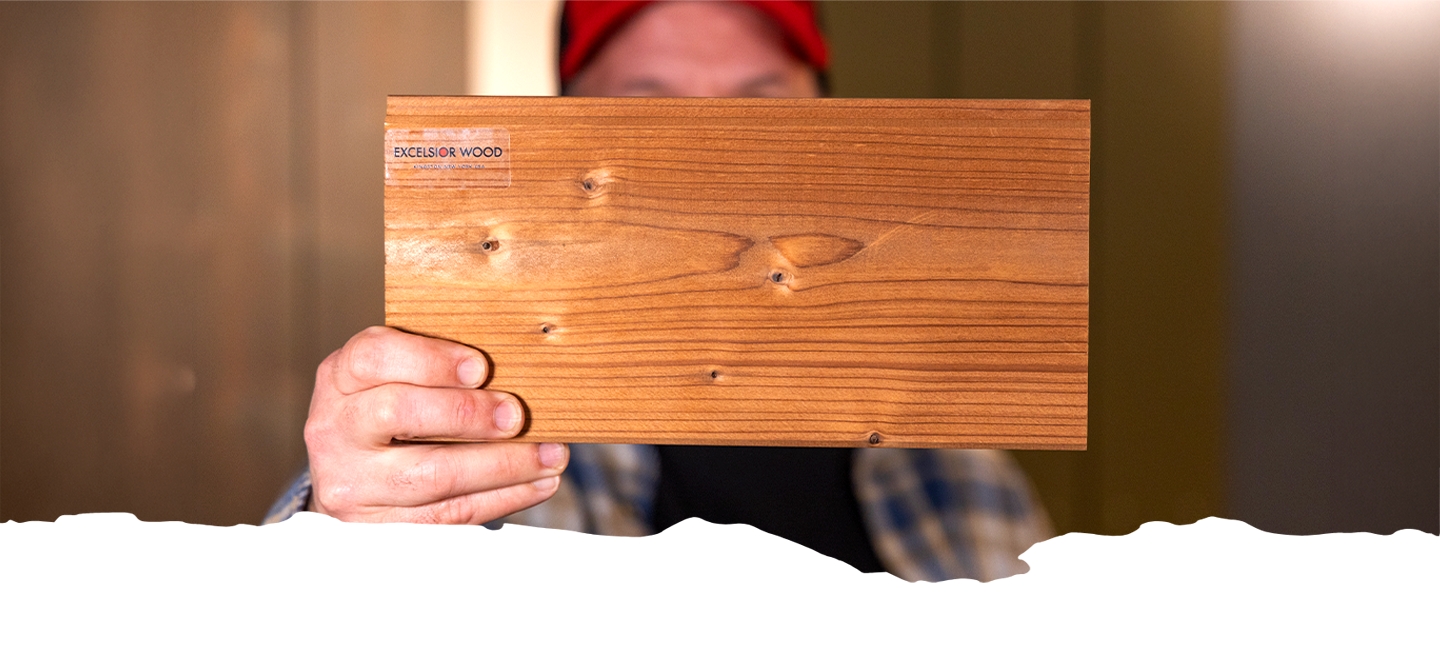
Common species include thermally modified Ash, Poplar, Knotty Nordic Spruce, Ayous, Hemlock, Southern Yellow Pine, and other thermally modified hardwoods depending on project requirements.
Yes. Thermal modification has expanded the range of domestic species that can perform successfully in exterior environments.
Natural variation in color and grain is inherent to wood products, including thermally modified species. Some variation between boards and batches should be expected, and project teams may want to review sample boards before finalizing large orders.
Performance and Specification FAQs
Dimensional stability refers to a material's ability to maintain its shape when exposed to changes in temperature and moisture. Wood with greater dimensional stability is less likely to warp, cup or twist over time
Moisture is one of the primary factors affecting long-term wood performance. Materials that absorb less moisture generally experience less movement and may provide improved durability in exterior environments.
Important considerations include:
- Species selection
- Environmental exposure
- Moisture conditions
- Maintenance expectations
- Installation methods
- Design objectives
- Long-term performance requirements
Yes. Thermally modified wood is commonly used in commercial, institutional and residential projects where durability, appearance and dimensional stability are important considerations.
Manufacturers of thermally modified wood typically conduct or reference testing related to dimensional stability, decay resistance and other performance characteristics. Architects and specifiers are encouraged to request relevant test data and documentation for their specific project requirements.
Installation guidelines, including fastener type, spacing and ventilation requirements, can vary by manufacturer and product profile. Following manufacturer-specific installation instructions helps support long-term performance.
Warranty terms vary by manufacturer and product line, and may address factors such as decay resistance or material defects. Project teams should review specific warranty documentation for the product being specified.
Pricing for thermally modified wood varies by species, profile and project scope, and may be positioned differently relative to materials such as cedar, redwood or composite cladding. Because lifecycle costs, maintenance needs and material lifespan also factor into overall value, project teams are encouraged to evaluate total cost of ownership alongside upfront pricing.
Lead times depend on species, profile, finish and order volume, and can vary between stocked and made-to-order products. Confirming lead times early in the specification process can help support project scheduling.
Working With Excelsior Wood
The most appropriate species depends on the project's performance requirements, environmental conditions and design goals. Evaluating these factors early in the specification process can help ensure long-term success.
Yes. Our team works with architects, builders, developers and manufacturers to evaluate wood. Contact us to get started.
Our products are commonly specified for:
- Exterior cladding
- Siding
- Decking
- Paneling
- Architectural features
- Commercial facades
- Residential projects
Our team works with architects, builders, developers and manufacturers to support a range of project sizes and specification needs, including custom profiles where applicable. Reach out early in your planning process so we can help align product options with your project timeline.