
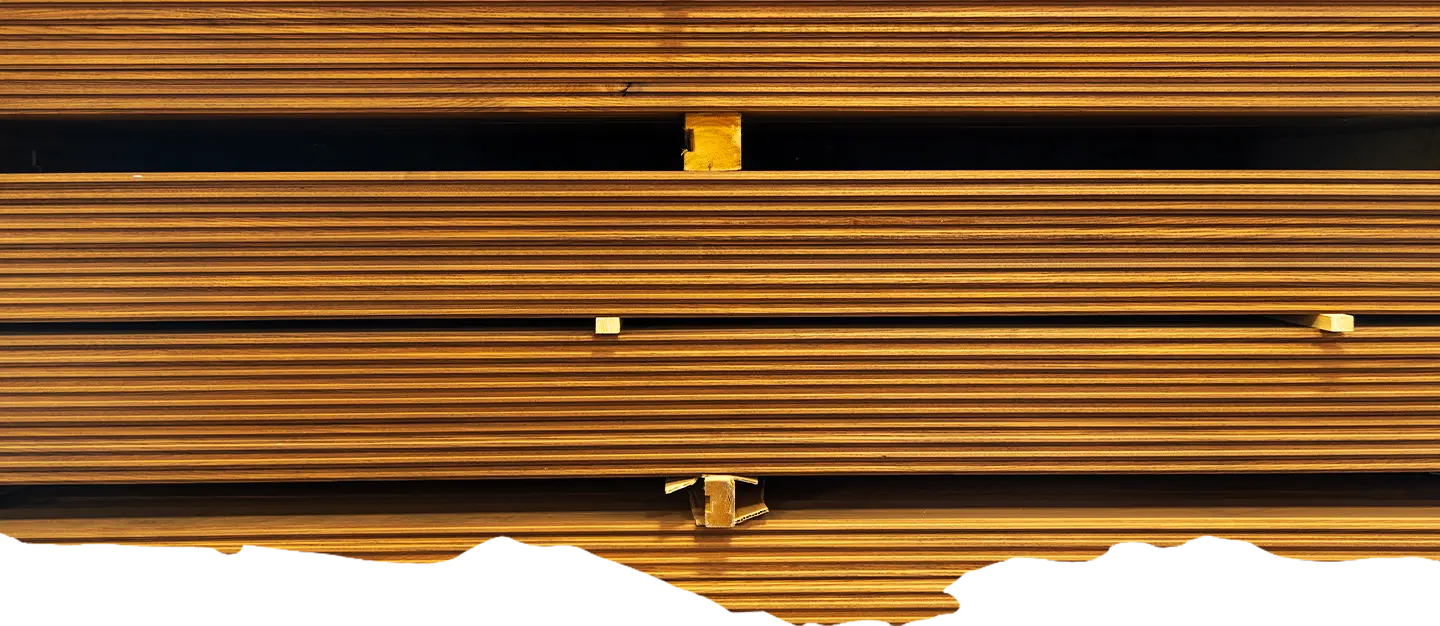
Discover the enhanced durability and stability of our thermally modified wood selections.
What is Thermally Modified Wood?
Thermal modification utilizes intense heat and steam to transform the wood's chemical properties. By altering the cell structure and reducing moisture movement, the process enhances the wood's stability and durability by making the wood better able to withstand moisture changes without expanding or contracting, as well as resistant to mold, rot, and insects.
The thermal modification process opens the door to new applications of traditional wood species. Domestic wood species, for example, are often not durable enough to withstand outdoor conditions. This process transforms these woods so that they are able to endure weather and heat well enough for outdoor applications like siding or decking. Plus, by choosing domestic species, we’re able to curb our environmental impact by minimizing shipping, while offering our customers a better, stable price that remains unimpacted by tariffs or supply chains.
The thermal modification process is a days-long operation and consists of the following stages:


Details of this process, including the timing, depend mainly on the wood species and the dimensions and moisture content of the raw material.
Explore Thermally Modified Wood
Each type of Thermally Modified Wood has its own strengths and applications where it shines. Choose the option that best fits your next project.
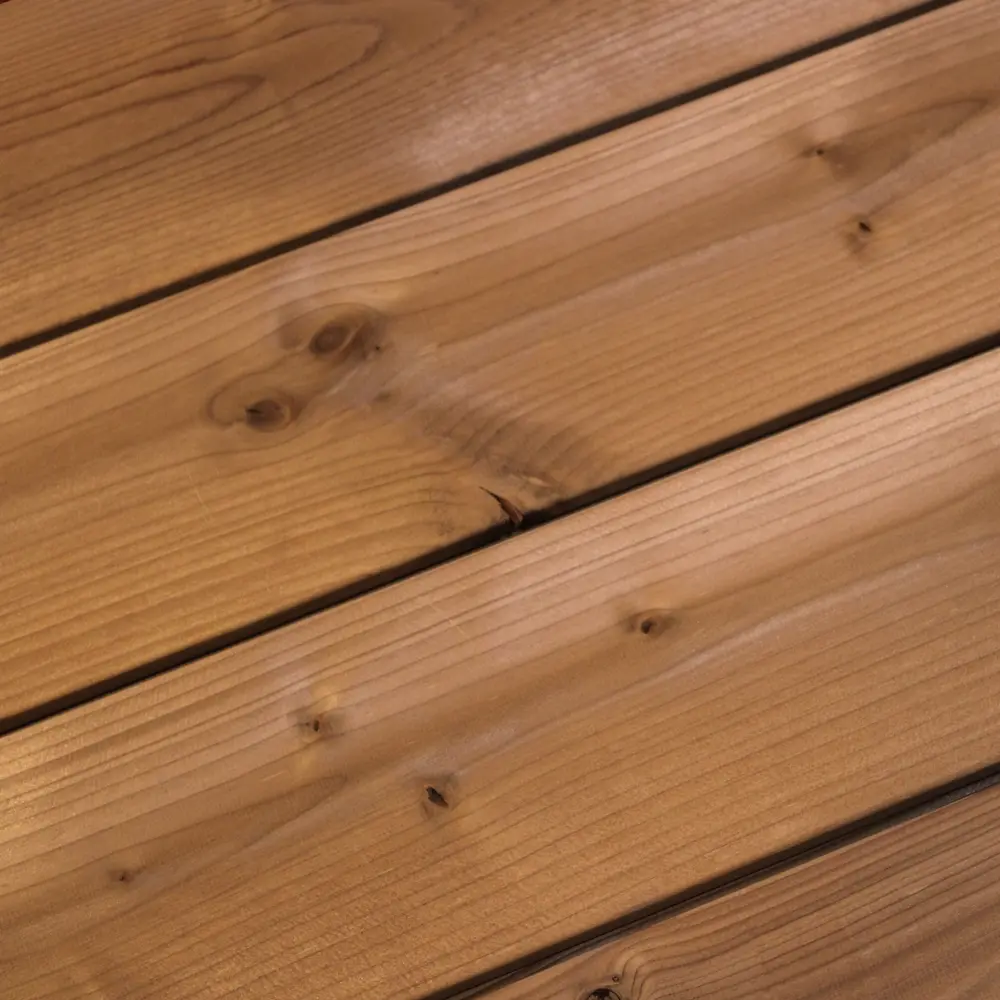
Knotty Nordic Spruce
Sourced from Europe
Heat-treated Nordic Spruce that is resistant to the effects of aging that are typically expected with this species.
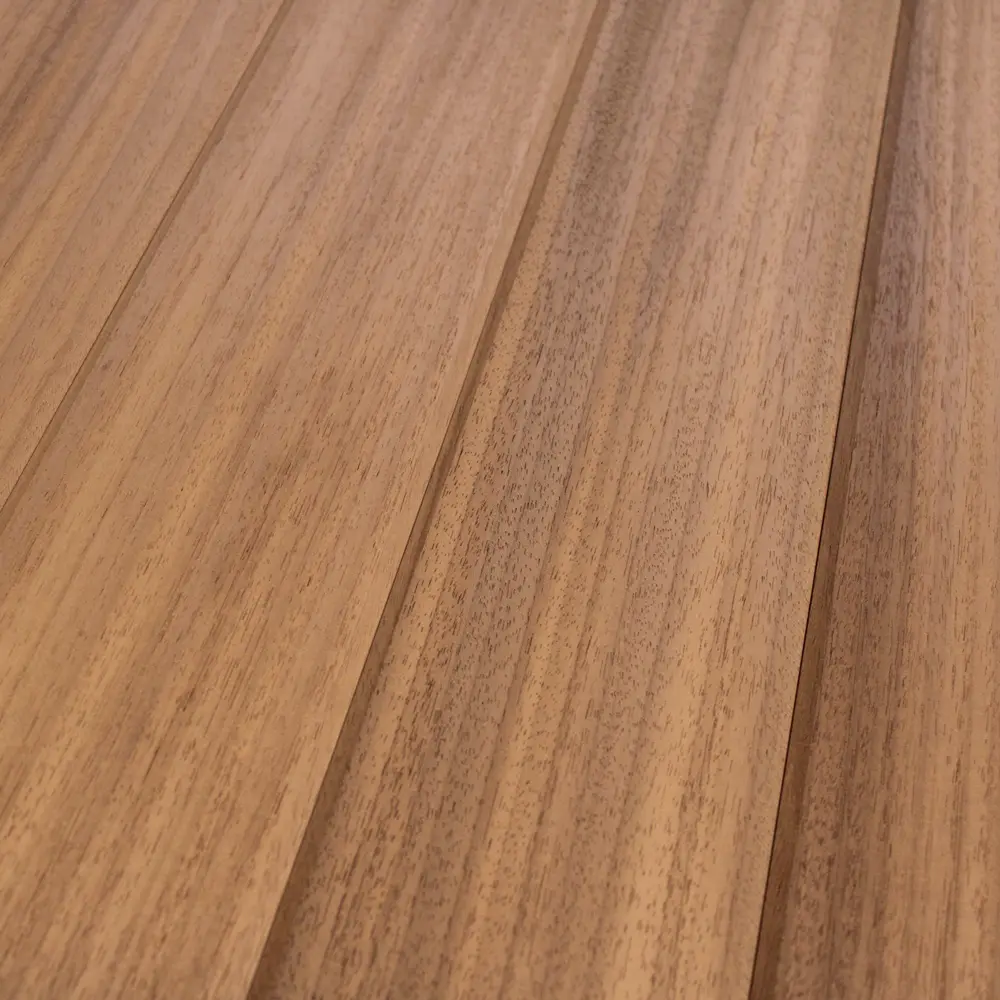
Ayous
Sourced from West & Central Africa
Excelsior is one of the premier sellers of Ayous thermally modified wood in the region.
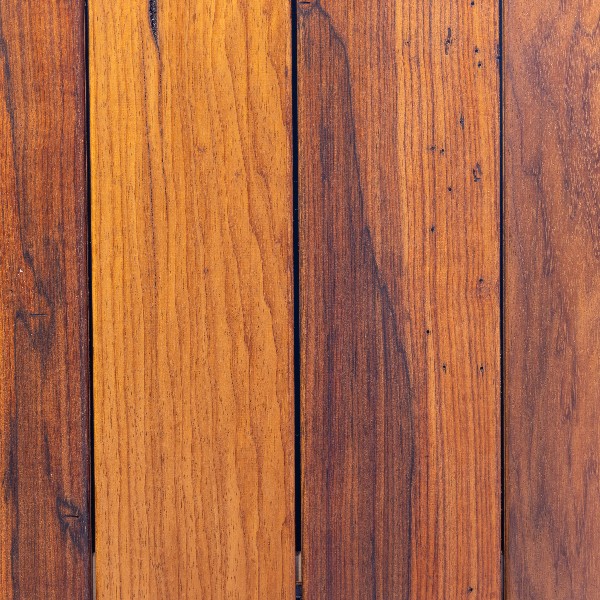
Frake
Sourced from West Africa
Frake's versatility shines through its ability to adapt to various applications seamlessly.
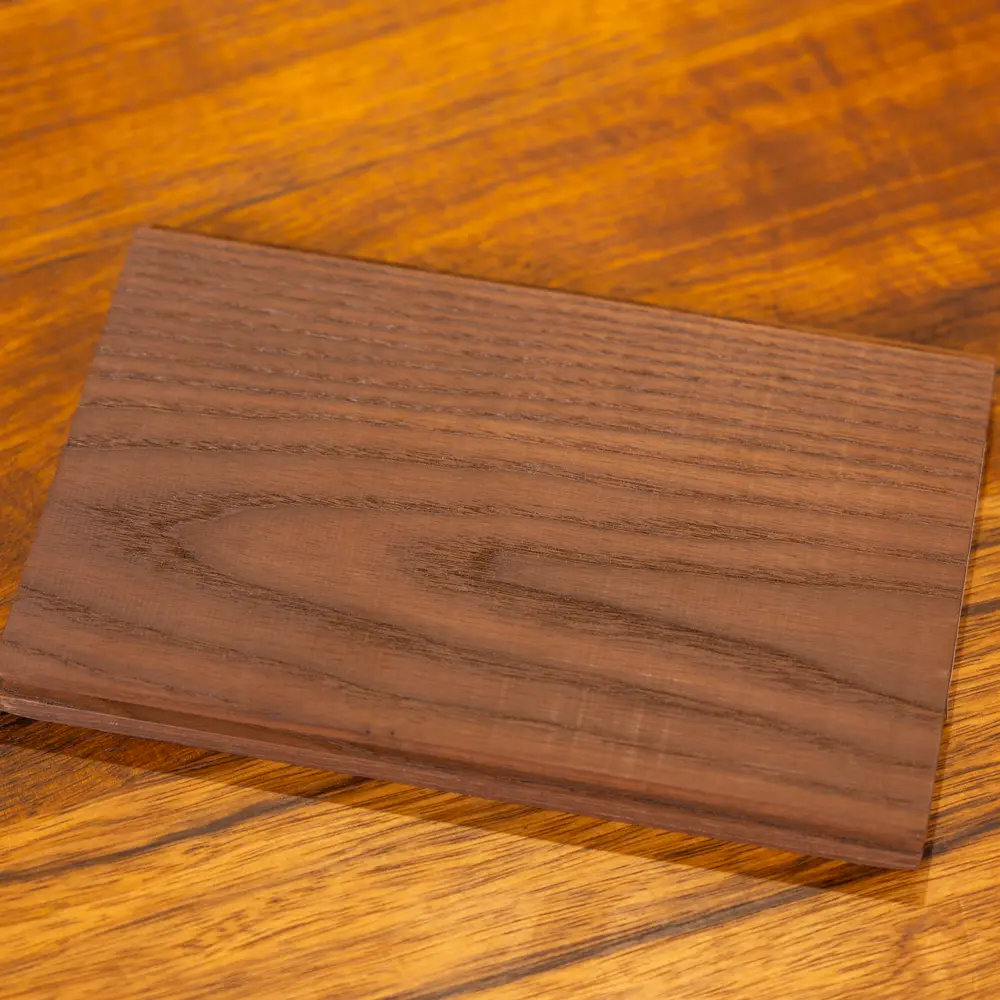
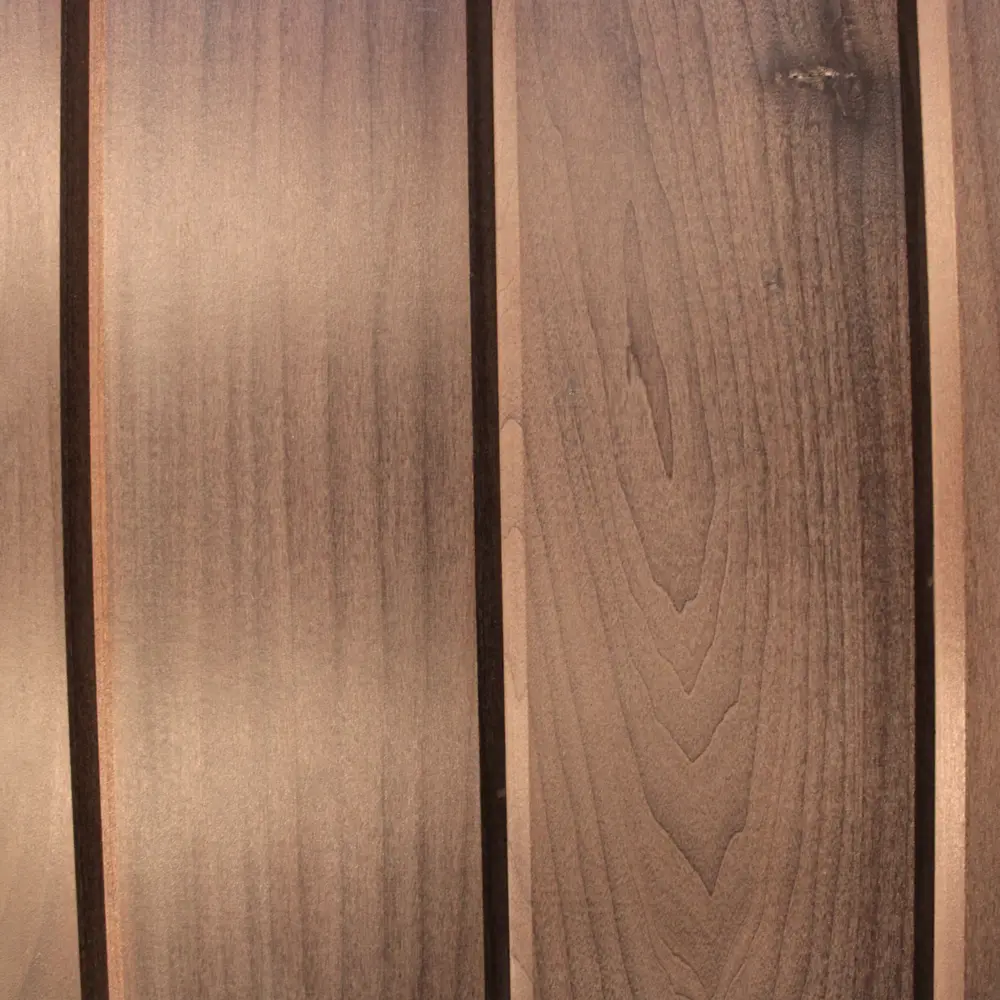
Poplar
Sourced Domestically
The machinability you know from this species with increased durability.
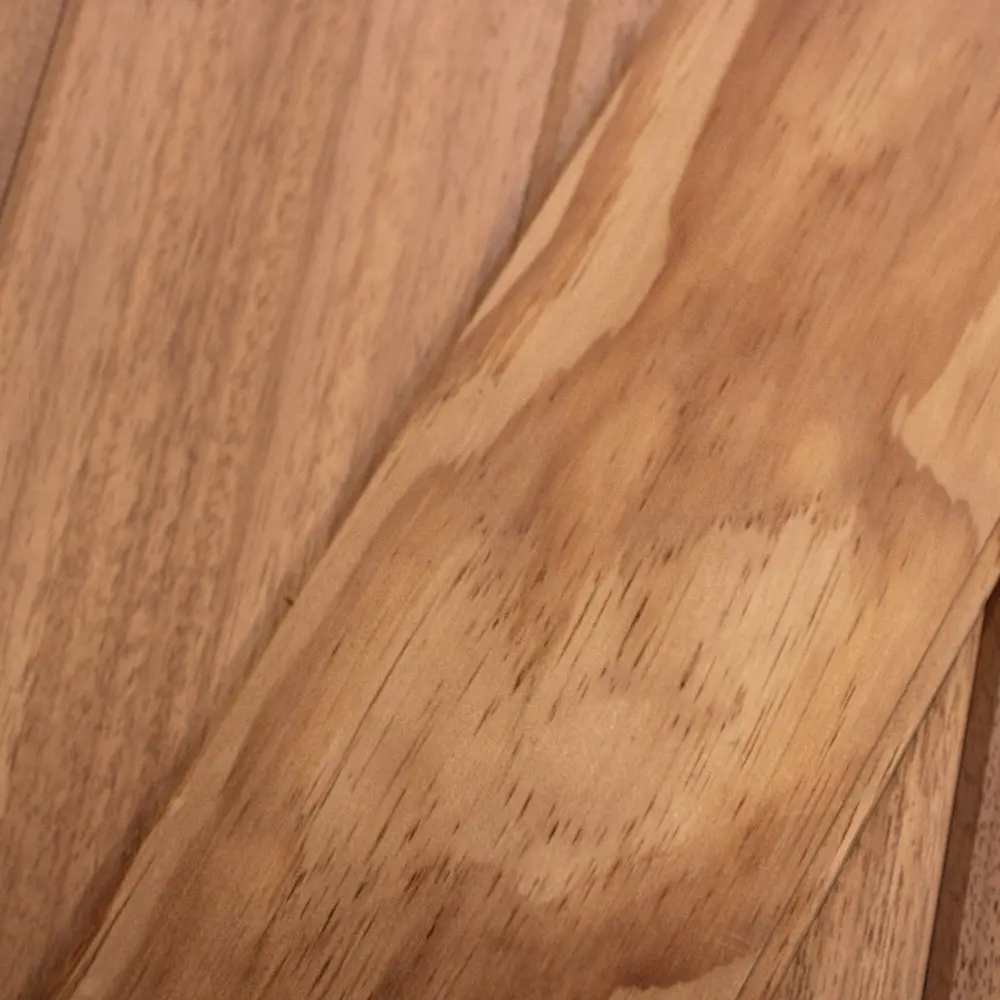
Southern Yellow Pine
Sourced Domestically
Known for its distinct grain, this is naturally the hardest wood of the pine family.
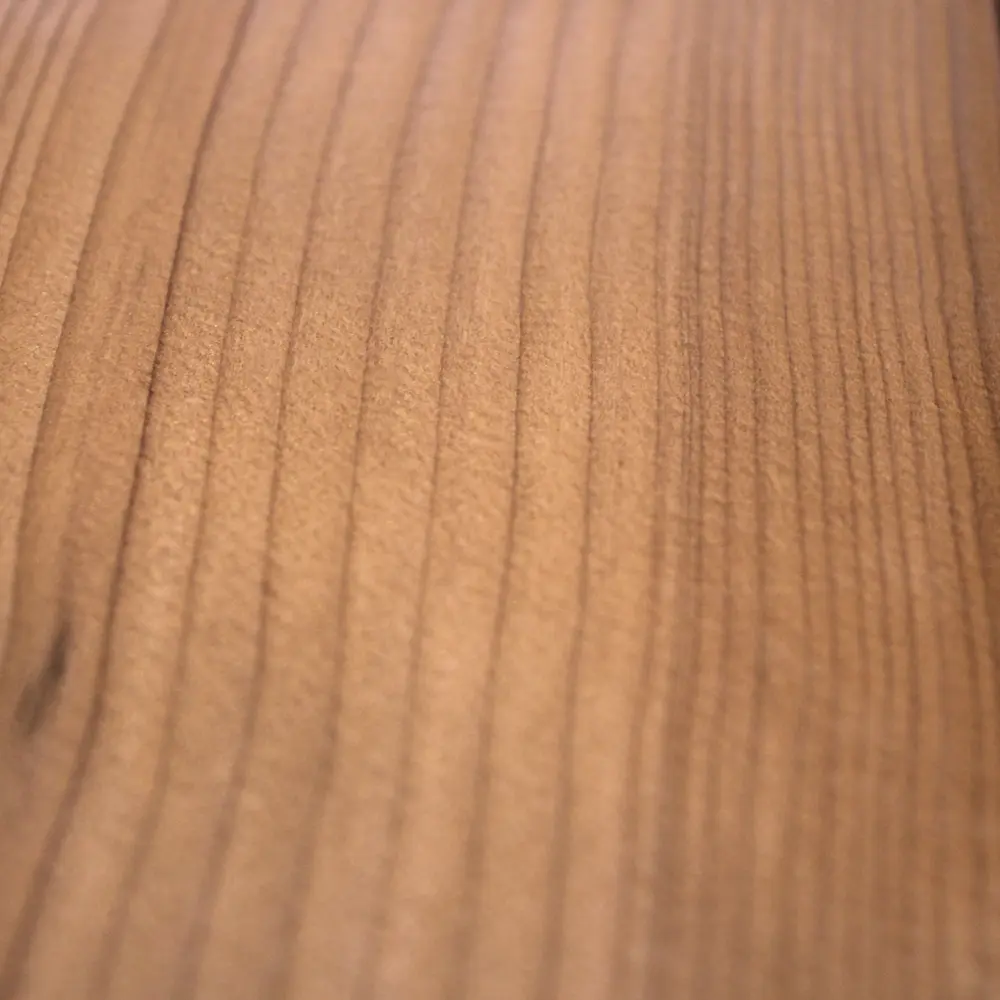
Hemlock
Sourced Domestically
A stronger, more cost-effective alternative to traditional Cedar.