What Is Thermally Modified Wood? Understanding the Process, Performance and Species Selection
June 23, 2026
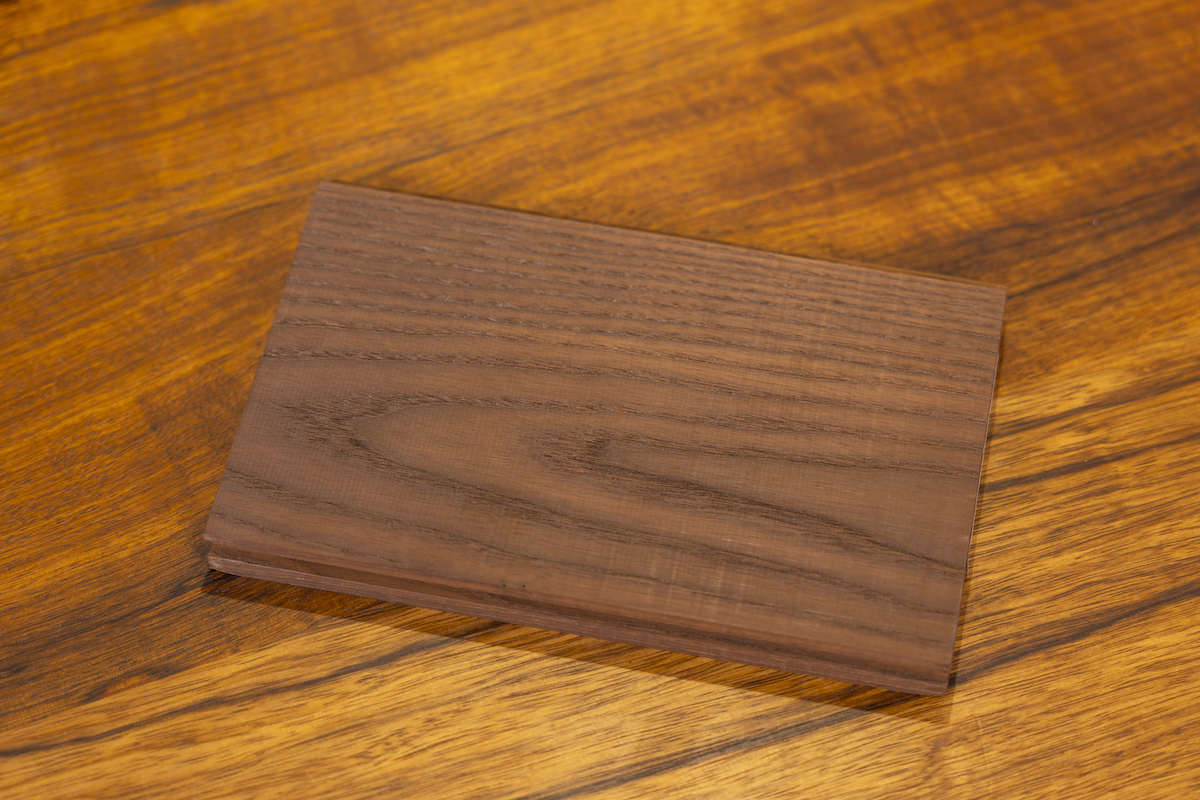
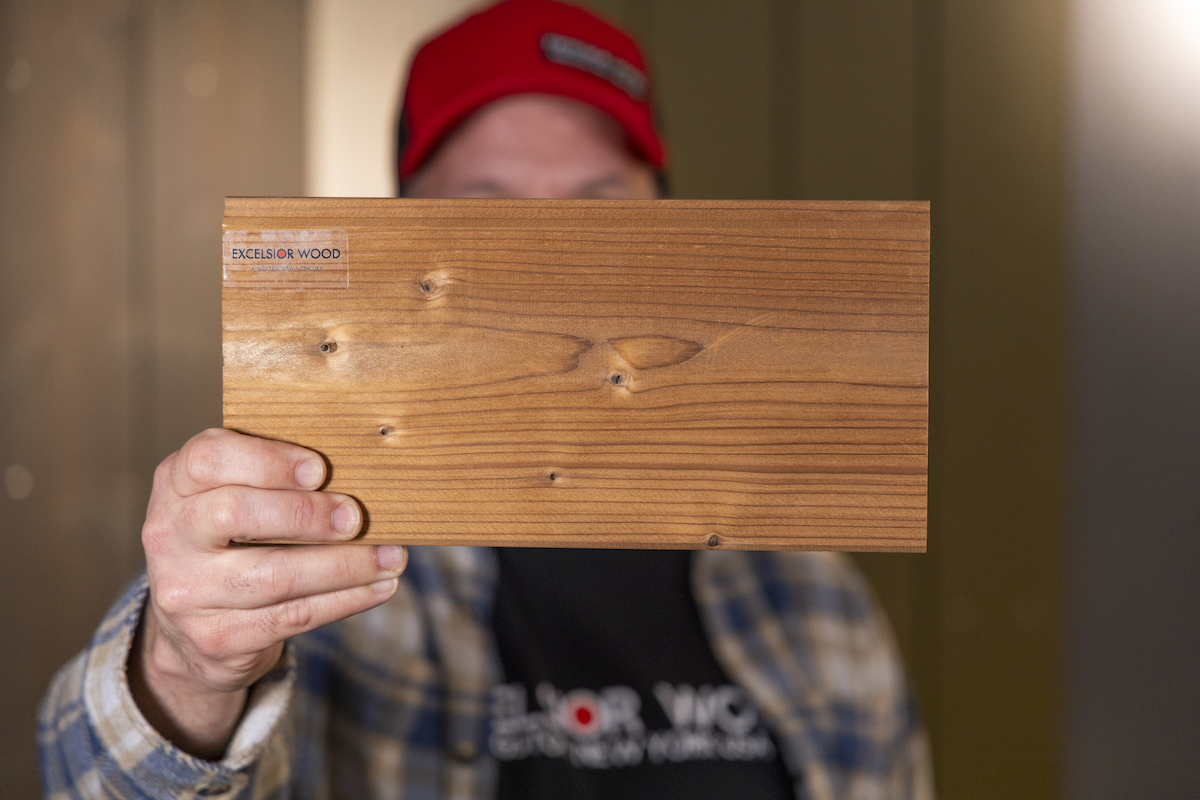
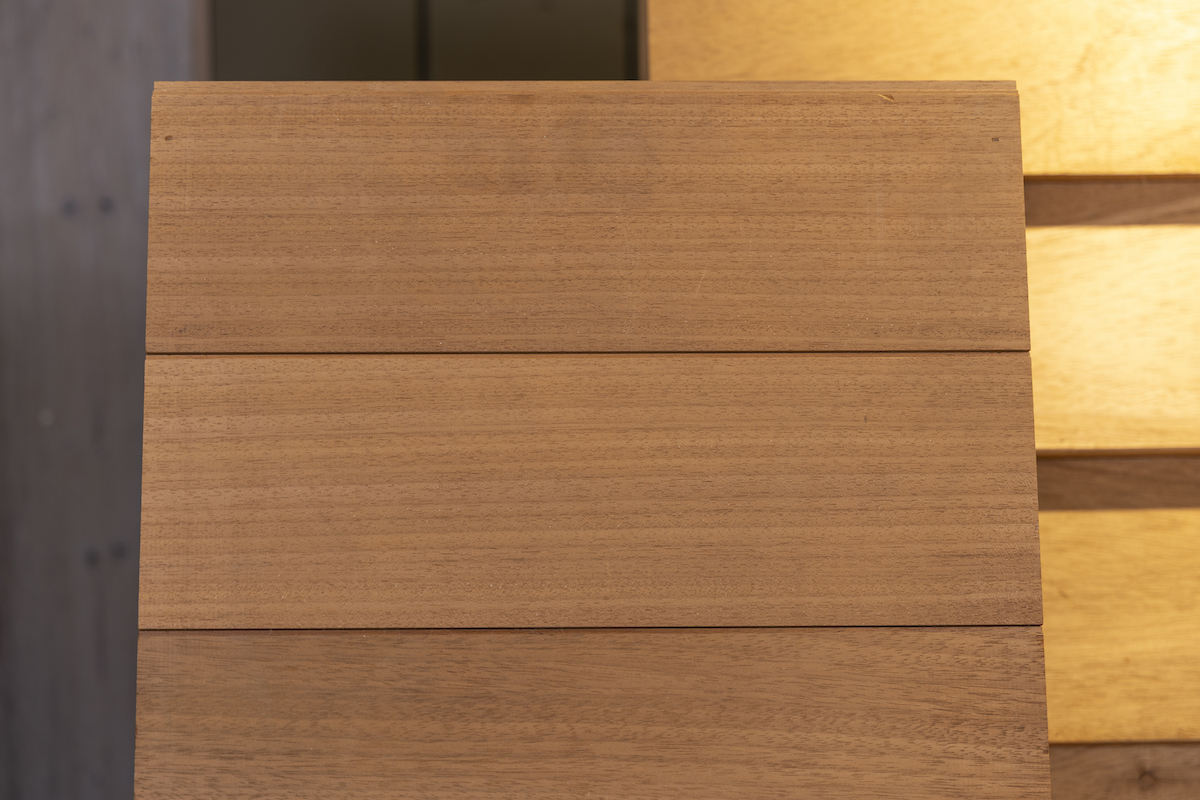
As demand for durable, sustainable wood products grows, thermally modified wood has emerged as a compelling option for architects, builders, and manufacturers seeking high-performance materials for exterior applications.
But thermally modified wood is more than a trend. Through a carefully controlled heat treatment process, wood species can achieve enhanced dimensional stability, improved durability, and reduced moisture absorption. This expands the range of species suitable for demanding outdoor environments.
Understanding how thermal modification works and why species selection matters can help project teams make more informed decisions about materials.
What Is Thermally Modified Wood?
Thermally modified wood is natural wood that has been enhanced through a controlled process using heat and steam. Unlike pressure-treated lumber, thermal modification does not rely on chemical preservatives. Instead, high temperatures alter the wood's cellular structure, changing how it responds to moisture and environmental conditions.
The result is a product with improved dimensional stability and durability, suitable for a wide range of interior and exterior applications, including porches, radiant-heat flooring, wall panels, and more.
More importantly, thermal modification expands the potential of domestic wood species by improving their performance in environments where untreated wood may struggle. This creates new opportunities for architects, builders and manufacturers seeking alternatives to imported hardwoods and chemically treated products.
How Does Thermal Modification Work?
Thermal modification involves a carefully controlled sequence of heating, treatment and conditioning.
Phase 1: High-Temperature Drying
Wood is gradually heated to remove moisture while preparing the material for modification. During this stage, temperatures continue to rise while moisture content is reduced.
Phase 2: Thermal Modification
The wood is exposed to temperatures approaching 400°F in a controlled environment. Steam is introduced throughout the process while oxygen levels are carefully managed.
During this phase, the wood's cellular structure changes, reducing its ability to absorb moisture and improving its resistance to biological decay.
Phase 3: Cooling and Conditioning
After modification, the wood is slowly cooled and conditioned to achieve the desired moisture content, typically between 4% and 7%.
The finished product offers performance characteristics that differ significantly from untreated wood while maintaining the natural appearance and workability that make wood a preferred building material.
Benefits of Thermally Modified Wood
Improved Dimensional Stability
Wood naturally expands and contracts as moisture levels change. Thermal modification significantly reduces this movement by limiting the wood's ability to absorb moisture.
For siding, cladding and decking applications, improved dimensional stability can help minimize issues such as warping, cupping, twisting and checking over time.
Enhanced Durability
The thermal modification process alters compounds within the wood that support fungal growth and decay. As a result, thermally modified wood often demonstrates greater resistance to rot and deterioration than untreated wood. These performance improvements are a key reason thermally modified wood durability continues to attract architects and builders seeking long-lasting exterior materials.
Expanded Use of Domestic Species
One of the most significant benefits of thermal modification is its ability to enhance the performance of domestic wood species.
Species that may not traditionally be considered for exterior applications can become viable options after modification, providing architects and builders with additional material choices while reducing dependence on imported hardwoods.
Reduced Moisture Absorption
Because thermally modified wood absorbs less moisture than untreated wood, it is better equipped to withstand environmental fluctuations that can impact long-term performance.
Why Thermally Modified Wood Species Selection Still Matters
While thermal modification enhances stability, durability and moisture resistance, the underlying wood species still plays a significant role in performance, appearance and ideal application.
Understanding the differences between thermally modified wood species is essential when selecting materials for siding, cladding, decking and other exterior applications.
At Excelsior Wood, we offer a range of thermally modified wood products, each with distinct characteristics that make it well-suited for specific project requirements. The table below highlights several species available through Excelsior Wood and the characteristics that make each suitable for different applications.
| Species | Best Known For | Common Applications |
|---|---|---|
| Inari™ | Clean Nordic Spruce appearance | Siding, cladding, soffits |
| Ambara™ | Lightweight, knot-free stability | Rainscreens, siding, ceilings |
| Ash™ | Strength and pronounced grain | Exterior architectural applications |
| Poplar™ | Machinability and consistency | Architectural millwork, siding, ceilings |
| Southern Yellow Pine™ | Hardness and character | Siding, cladding, decking, ceiling |
| Hemlock™ | Stability and clean appearance | Siding, cladding |
| Duratau™ | High-performance decking | Decking |
| Korina | Durability and visual character | Decking, siding, cladding |
Ultimately, the best thermally modified wood species depends on the project's performance requirements, design goals and environmental conditions. Selecting the right species ensures the benefits of thermal modification are fully realized while supporting the intended application.
Sustainability Beyond the Process
Sustainability discussions surrounding thermally modified wood often focus on the absence of chemical preservatives, but there are additional considerations.
By enhancing the performance of domestic wood species, thermal modification can reduce reliance on imported hardwoods while helping address challenges associated with transportation costs, supply chain disruptions and market volatility.
For project teams seeking durable wood products with strong environmental credentials, thermal modification presents an opportunity to balance performance, aesthetics and responsible sourcing.
Common Thermally Modified Wood Applications
The combination of durability, stability and visual appeal makes thermally modified wood suitable for a wide range of applications, including:
- Exterior siding
- Architectural cladding
- Rain screen systems
- Decking
- Soffits
- Ceilings
- Screening systems
- Outdoor living environments
- Commercial and institutional projects
As demand for high-performance wood products grows, thermally modified materials continue to be specified in both residential and commercial projects. Common thermally modified wood applications include siding, decking, cladding, soffits and commercial architectural projects.
What We've Learned About Thermally Modified Wood Performance
Through years of working with thermally modified wood products, one principle remains consistent. The best results come from matching the right species to the right application.
While thermal modification enhances durability and stability, successful outcomes depend on understanding how species characteristics, environmental conditions and project requirements work together.
A species that performs well in a siding application may not be the best fit for decking. Environmental exposure, traffic levels and design requirements all play a role in determining the appropriate material selection.
When specified thoughtfully, thermally modified wood can provide long-term performance while expanding the possibilities for natural wood in exterior environments.
Frequently Asked Questions About Thermally Modified Wood
Which wood species can be thermally modified?
Many domestic and imported wood species can be thermally modified, including Ash, Southern Yellow Pine, Poplar, Ambara™, Inari™, Duratau™, Hemlock and Korina. Each species offers unique benefits related to durability, appearance, dimensional stability and ideal end-use applications.
Does thermally modified wood contain chemicals?
No. Thermal modification relies on heat and steam rather than chemical preservatives to improve performance characteristics.
Is thermally modified wood suitable for exterior applications?
Yes. Thermally modified wood is commonly used for siding, cladding, decking, soffits and other exterior applications where durability and dimensional stability are important.
Why does species selection matter?
Different wood species retain different performance characteristics after modification. Density, hardness, stability and intended application should all be considered when selecting a thermally modified product.
How does thermally modified wood compare to pressure-treated lumber?
Pressure-treated lumber relies on chemical preservatives, while thermally modified wood uses heat and steam to improve performance. The appropriate choice depends on the specific requirements of the project.
How long does thermally modified wood last?
Longevity depends on the species, application, environmental conditions and maintenance practices. When properly specified and installed, thermally modified wood can provide decades of performance in exterior environments.
Is Thermally Modified Wood Covered by a Warranty?
Excelsior Wood's thermally modified wood products come with a 20- to 25-year warranty, depending on the species and use. Thermal modification boosts resistance to moisture, decay, and movement, supporting durability in outdoor settings. With proper installation and maintenance, this warranty offers confidence for architects, builders, developers, and property owners choosing it for siding, cladding, decking, and other outdoor uses.
Choosing the Right Thermally Modified Wood Product
Thermally modified wood offers architects, builders and manufacturers a versatile material solution for exterior applications. However, selecting the right product requires more than simply choosing a thermally modified species.
Performance expectations, environmental exposure, installation requirements, and species characteristics should all be considered during the specification process. Whether you're evaluating thermally modified lumber for siding, decking, or cladding, species selection remains one of the most important factors affecting long-term performance.
At Excelsior Wood, we help customers evaluate thermally modified wood products and species selections based on each project's unique performance requirements and design objectives. Whether you're considering Ash, Southern Yellow Pine, Poplar, Ambara, Inari, Duratau, Hemlock or Korina for siding, decking, or cladding applications, our team can help identify the best solution for long-term performance and visual appeal. Contact our team to discuss the best thermally modified wood solution for your next project.